
Blog
Common Streetwear Styling Mistakes to Avoid

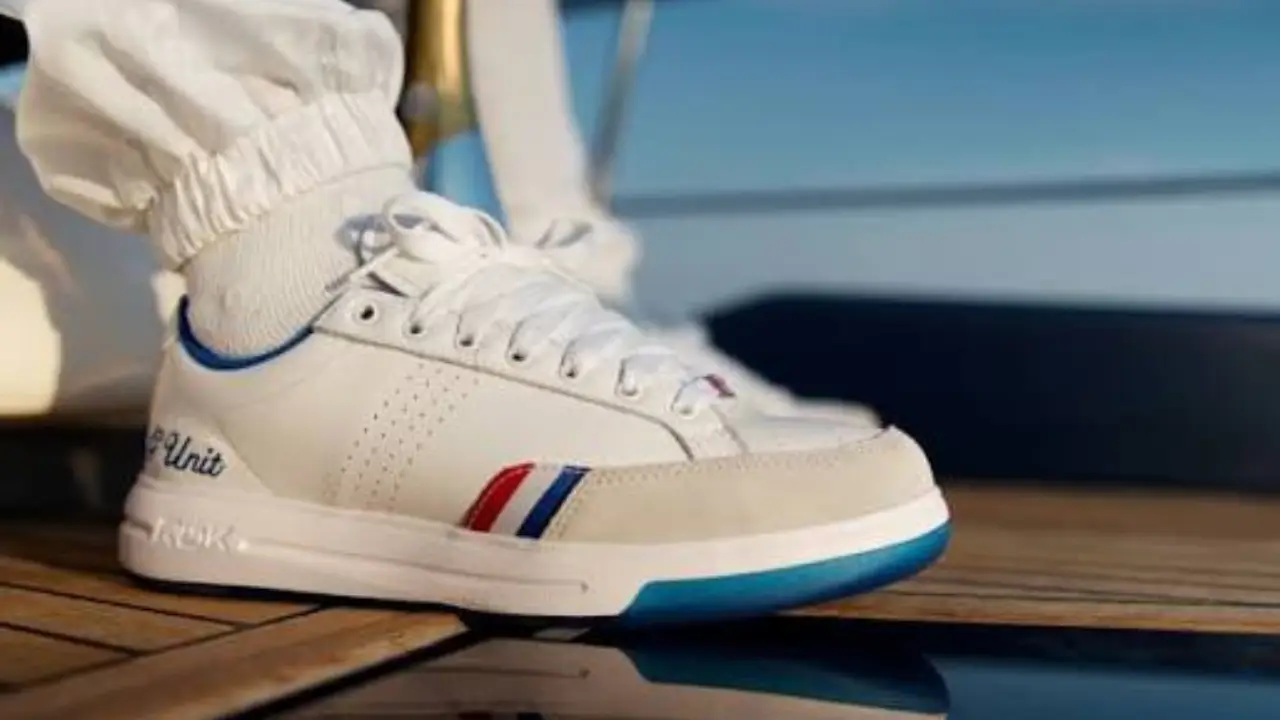
Streetwear Styling Mistakes That Start With Fit
Most streetwear styling mistakes trace back to fit, not taste. People buy the right pieces and still look sloppy because the proportions are off. Oversized doesn’t mean shapeless. A hoodie two sizes up can look sharp if the shoulders still sit close to your frame and the sleeve length ends near your wrist bone, not halfway down your hand. The same logic applies to tees and jackets. If the shoulder seam droops past your actual shoulder, the whole outfit reads as “borrowed clothes” instead of a deliberate silhouette.
Key takeaways
- Fit problems, not bad taste, cause most streetwear styling mistakes, so check shoulder seams and sleeve length before buying.
- Layer with a purpose: vary length and texture instead of stacking similar pieces that add bulk without style.
- Balance proportions by keeping one zone loose and one fitted, and limit color palettes to two main tones plus an accent.
Pants are where this goes wrong most often. Baggy cargo pants paired with an equally baggy top erase your shape completely, and the outfit turns into fabric with no structure underneath. A cleaner move is to balance volume: loose on top, something with a slight taper on the bottom, or the reverse. Brands making cuts for this kind of intentional oversizing, including gangster unit, tend to build in enough structure at the shoulder and waist that the piece still holds a shape rather than just hanging there. Try things on and check the mirror at a distance, not just up close, because proportion problems are only obvious from a few feet back.
Layering Without a Plan
Layering is where streetwear styling mistakes multiply fast. Throwing a flannel, a hoodie, and a jacket together without thinking about bulk usually adds weight without adding style. Each layer should have a reason to exist: warmth, texture, or color contrast. If two layers do the same job, cut one.
Length matters more than people admit. A long shirt under a short jacket can look intentional, but a short shirt under a long jacket usually looks like a mistake, not a choice. Keep at least one layer visibly longer than the one underneath it, and let sleeves show a little at the cuff instead of stuffing everything inside itself.
Texture is the easier layering tool most people skip. Pairing a smooth tee with a textured overshirt, like corduroy or waffle knit, gives an outfit depth without needing extra colors. This is also where a piece like a g unit hoodie works well as a middle layer, since a solid hoodie color under a patterned or textured jacket gives your eye a place to rest instead of competing patterns fighting for attention. Plan your layers before you leave the house, not while standing in front of a mirror confused.
Proportion and Silhouette Errors
Beyond fit, the actual silhouette of an outfit gets ignored constantly, and this is one of the more common streetwear styling mistakes. Wearing everything oversized head to toe flattens your shape into a box. Wearing everything fitted looks stiff and dated fast. The trick is contrast: loose top with straighter pants, or fitted top with wider pants. Pick one zone to be roomy and let the other stay closer to your body.
Footwear changes proportion more than people realize. Chunky sneakers under skinny pants can look top-heavy in a bad way, while the same sneakers under a slightly wider leg balance out visually. If your pants pool heavily at the ankle, either cuff them or size down, because bunched fabric at the shoe reads as sloppy rather than relaxed.
Accessories follow the same rule. A big bag, a chain, and a bucket hat all at once competes for attention and nothing wins. Choose one statement piece per outfit and let the rest stay quiet. Simplicity in accessories is what makes an otherwise loud outfit look put together instead of thrown together at the last minute.
Color and Detail Mistakes to Avoid
Color confusion is another frequent source of streetwear styling mistakes. Mixing four or five unrelated colors without a plan usually looks chaotic rather than bold. A simple fix is to build around two main colors and use a third as an accent, whether that’s through shoes, a hat, or a small logo detail. Neutrals like black, gray, and off-white are forgiving bases that let one brighter piece stand out instead of getting lost.
Logos and graphics deserve restraint too. Wearing multiple loud logos across a hoodie, a tee, and a bag turns an outfit into visual noise. Pick one graphic focal point and keep everything else plain. Shops that focus on gangster unit clothing tend to build pieces around a single clear graphic or wordmark, which makes it easier to build the rest of the fit around solids without clashing.
Lastly, don’t ignore fabric weight against the season. Heavy fleece in summer heat or thin cotton in cold weather isn’t just uncomfortable, it also throws off how an outfit is supposed to sit and drape. Match weight to weather first, then style around that choice.
Frequently asked questions
What is the biggest streetwear styling mistake people make?
Wearing oversized pieces without any structure at the shoulder or waist is the most common issue. It makes an outfit look shapeless rather than intentionally loose.
How do I layer streetwear without looking bulky?
Vary the length of each layer so one is visibly longer than the other, and mix textures like smooth cotton with corduroy so the layers read as separate pieces rather than one bulky mass.
How many colors should a streetwear outfit have?
Two main colors plus one accent color is a reliable formula. It keeps the outfit cohesive without looking flat or, on the other end, chaotic.